UBright Solutions

Vertical spindle rotary surface grinder applications for semiconductor, optical glass, ceramic, tungsten, magnetic steel, and carbon fiber materials

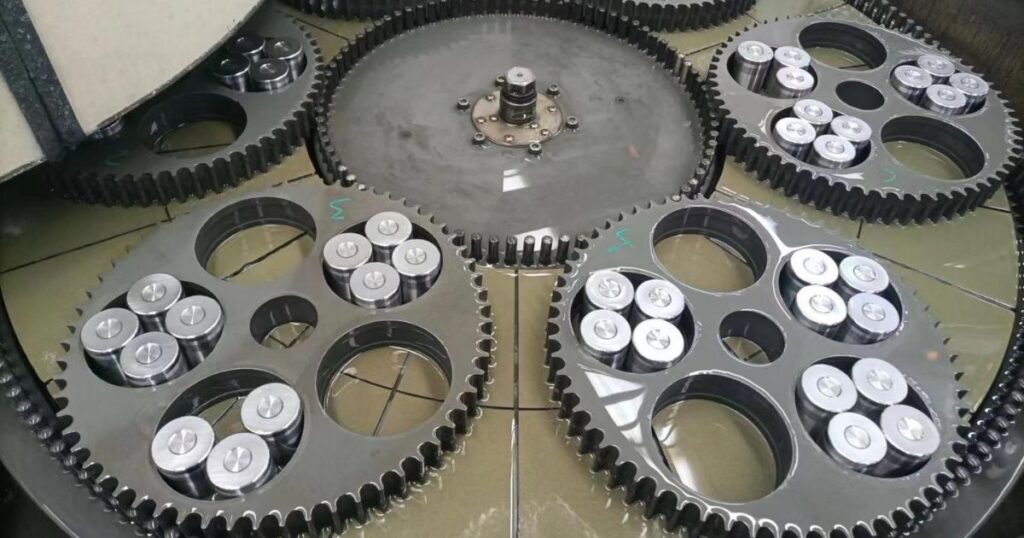
Vertical Spindle Rotary Surface Grinders: Applications in Semiconductor, Optical, and Precision Materials

A vertical spindle rotary surface grinder is a precision surface grinding machine that combines a vertically oriented grinding spindle with a rotating circular worktable, usually fitted with a magnetic chuck. The workpiece rotates under the grinding wheel so the machine can remove material evenly across flat faces, thin discs, wafers, plates, rings, and other precision

Vertical Spindle Rotary Surface Grinders: Applications in Semiconductor, Optical, and Precision Materials Read More »

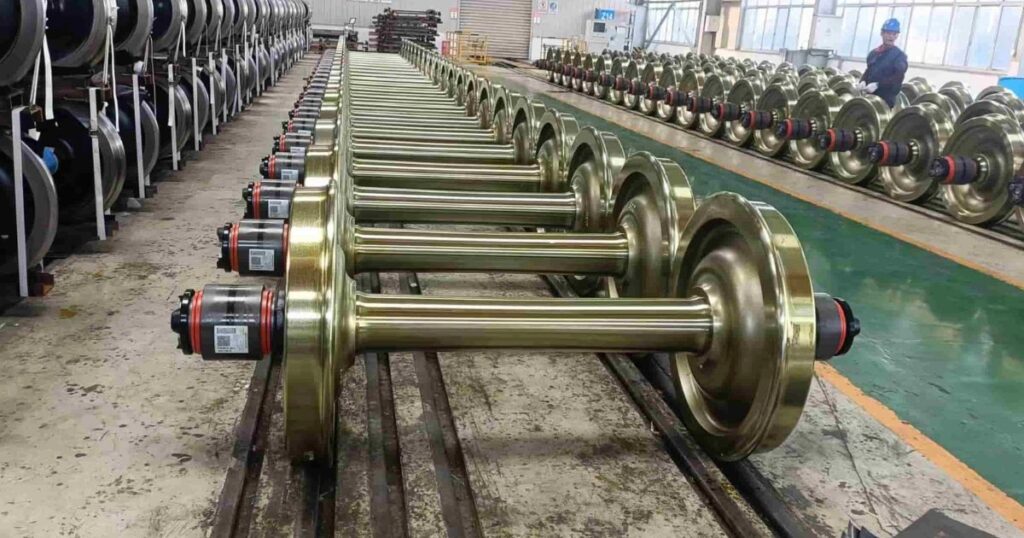
Machining track rollers on a center-drive CNC lathe for coaxiality and productivity gains

Machining Track Rollers with Center-Drive CNC Lathes: Process, Accuracy, and Productivity Gains

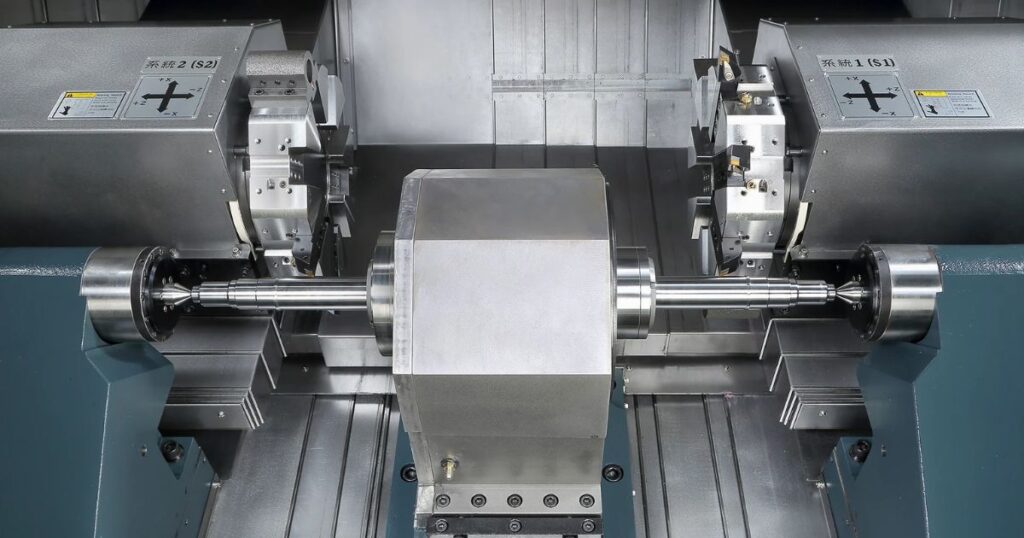
Machining track rollers is a precision turning task because the roller body, bore, end faces, bearing seat, and sealing-related surfaces must stay concentric while the part carries crawler undercarriage load. A center-drive CNC lathe improves this work by clamping the roller in the central machining zone, supporting both ends, reducing re-clamping error, and integrating turning,

Machining Track Rollers with Center-Drive CNC Lathes: Process, Accuracy, and Productivity Gains Read More »

Assembled camshaft manufacturing process showing component forming joining and inspection

Assembled Camshaft Manufacturing: Process, Joining Methods, and Design Advantages

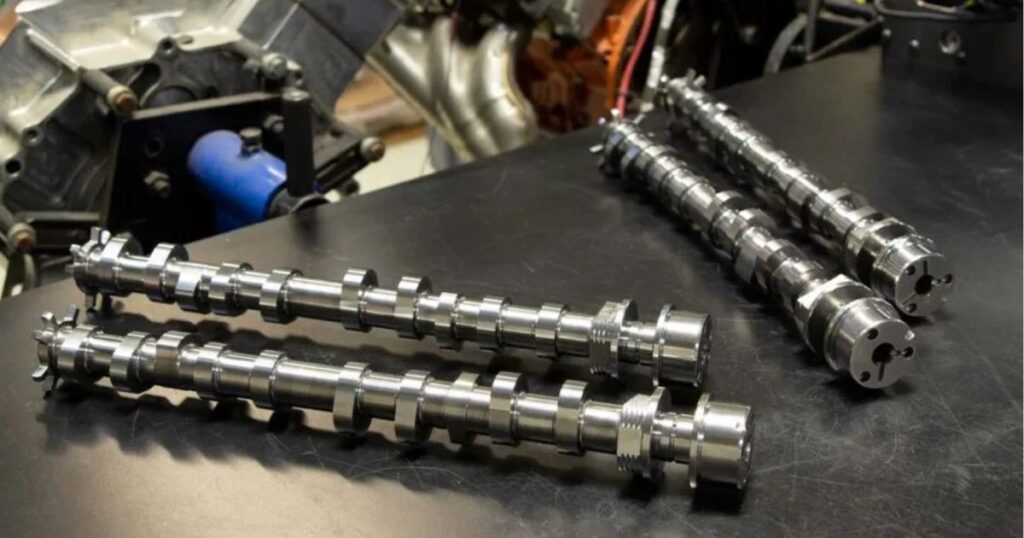
Assembled camshaft manufacturing is the process of building a camshaft from separately produced cams, journals, tubes, plugs, and end parts, then joining them into one shaft. Compared with a one-piece cast or forged camshaft, this modular route lets engineers choose materials by function, reduce machining stock, and build lighter camshaft configurations for high-performance engines. For

Assembled Camshaft Manufacturing: Process, Joining Methods, and Design Advantages Read More »

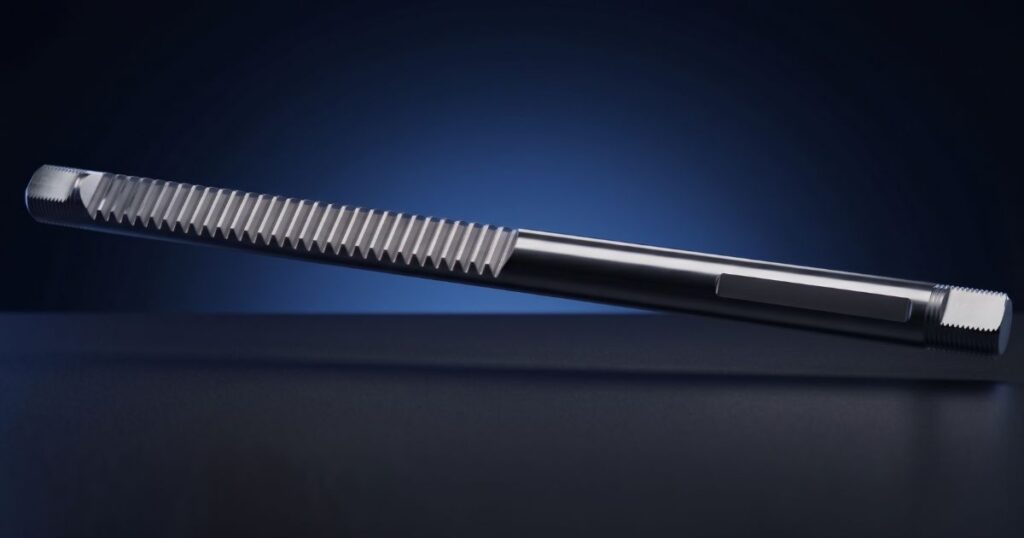
EPS worm shaft machining process for precision electric power steering components

EPS Worm Shaft Machining Process: Materials, Key Steps, and Quality Control

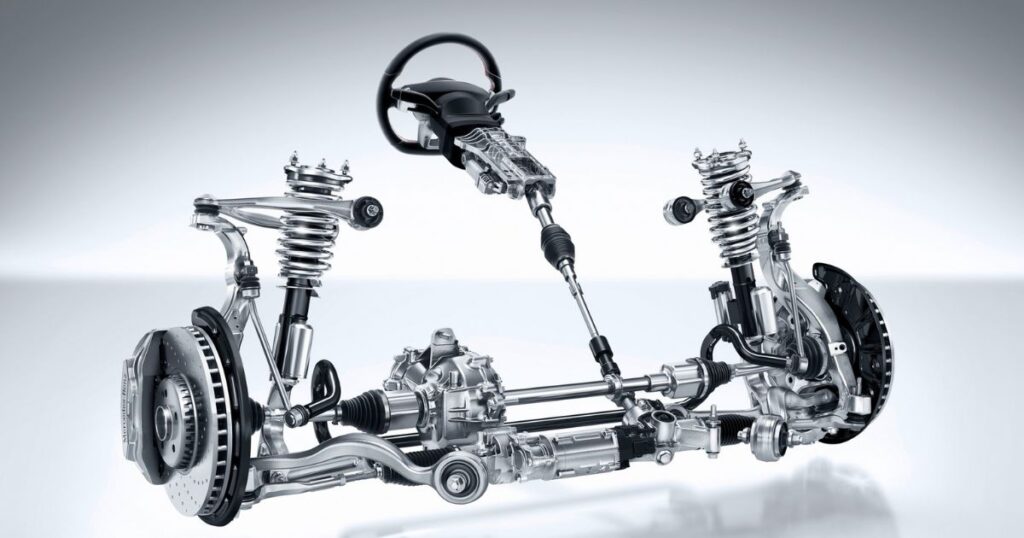
EPS worm shaft machining is the controlled manufacturing process used to produce the precision worm shaft inside an electric power steering system. A good process does more than cut the worm profile: it controls material hardness, blank straightness, bearing-seat accuracy, tooth geometry, heat-treatment distortion, grinding quality, and final inspection so the steering system can transmit

EPS Worm Shaft Machining Process: Materials, Key Steps, and Quality Control Read More »

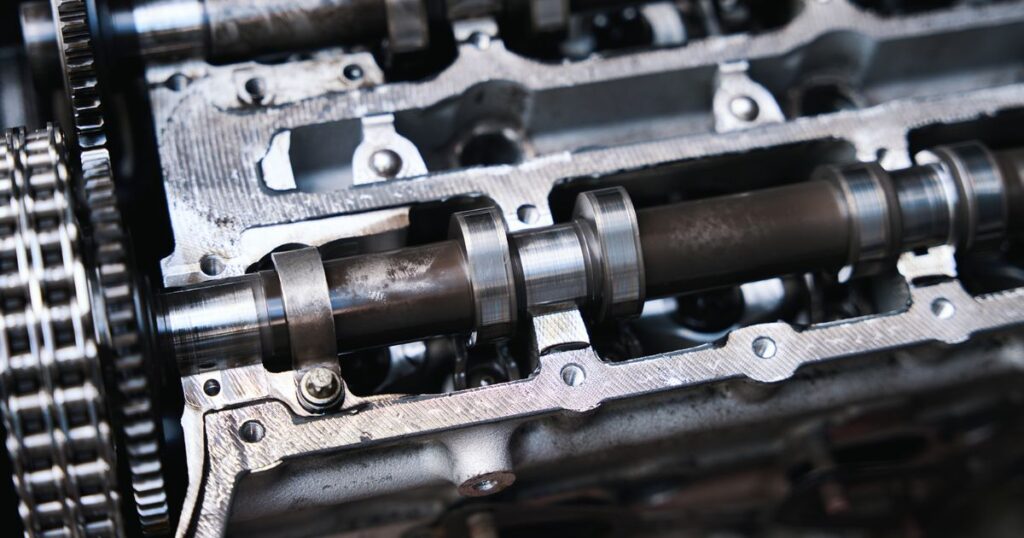
Modern camshaft machining process using CNC milling and CBN high-speed grinding

Camshaft Machining Process: Modern CNC Milling and CBN Grinding Methods

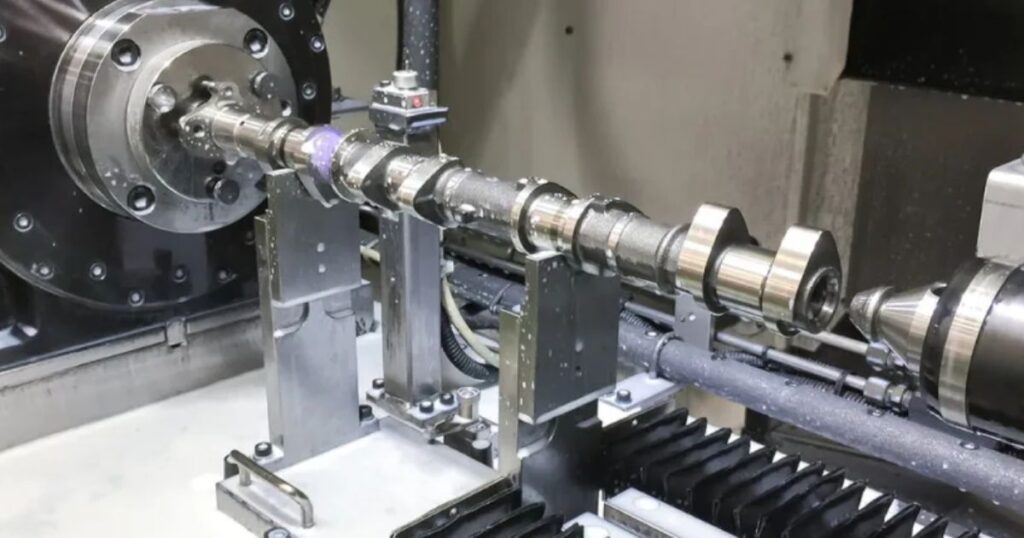
The camshaft machining process has changed more in the last two decades than in the previous fifty years. A camshaft controls when an engine’s intake and exhaust valves open and close, so its lobe profile, phase angle, and wear resistance directly shape an engine’s power, fuel economy, and emissions. Producing that geometry in hardened alloy

Camshaft Machining Process: Modern CNC Milling and CBN Grinding Methods Read More »

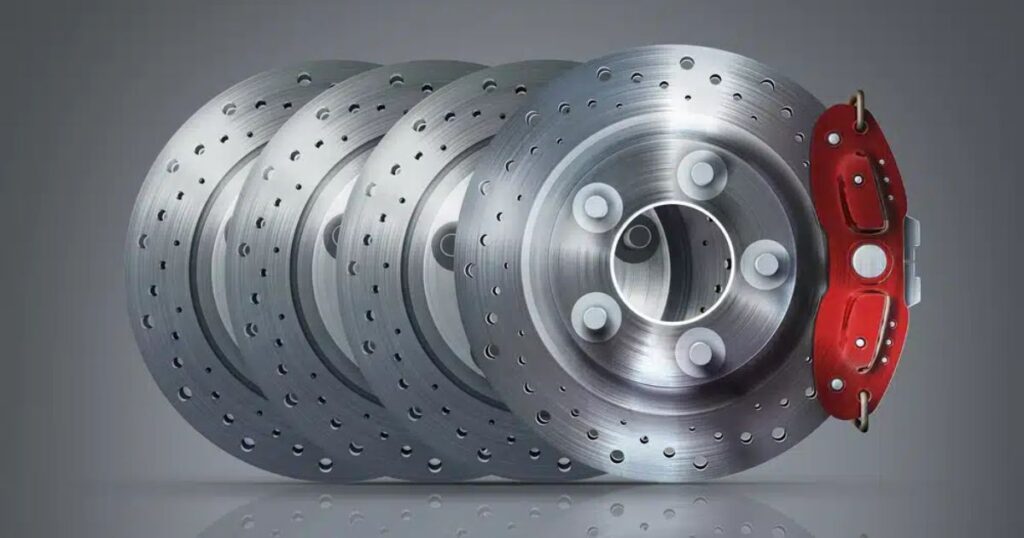
inverted vertical lathe brake disc machining

Inverted Vertical Lathe for Brake Disc Machining: Process, Accuracy, and Productivity Gains

An inverted vertical lathe can improve brake disc machining by combining automated part pickup, two-sided turning, stable clamping, high-speed CBN tooling, and in-process measurement in one controlled cell. For brake disc manufacturers, the main value is not only faster cutting. It is the reduction of manual handling, reclamping variation, and process instability around the disc’s critical friction faces. Brake

Inverted Vertical Lathe for Brake Disc Machining: Process, Accuracy, and Productivity Gains Read More »

Scroll to Top

Get In Touch With Us!