
The aerospace engine, often referred to as the “heart” of aviation and the crown jewel of modern industry, is the beating core of flight. Its continuous technological advancement directly drives aircraft performance improvements, lowers fuel consumption, and pushes for environmental innovation. As the industry demands higher thrust-to-weight ratios and greener operations, the need for precision aerospace components has never been more critical. Meeting these rigorous demands requires advanced CNC machining capabilities. The turbofan engine, which is the mainstream choice for both modern commercial airliners and military aircraft, consists of highly complex parts. Manufacturing these critical components—such as blades, disks, shafts, and casings—demands cutting-edge equipment solutions. In this guide, we explore the specialized equipment used in turbofan engine parts manufacturing, ensuring absolute reliability at every stage of aerospace manufacturing.
The Critical Role of Precision in Aerospace Manufacturing
Aircraft engine components are subjected to intense aerodynamic forces, high pressures, and extreme heat. The materials used are notoriously difficult to machine, requiring strict adherence to global safety and quality benchmarks, such as those established by SAE International’s aerospace standards. To meet these non-negotiable criteria, manufacturers rely heavily on robust, high-precision CNC equipment. These systems are specifically designed to minimize tool deflection, manage extreme cutting forces, and deliver unparalleled surface finishes that directly impact the safety and lifespan of the engine.
Specialized CNC Machining Equipment for Turbofan Engine Parts
Aerospace engine manufacturing requires distinct machining strategies tailored to the unique geometry and material properties of each component.
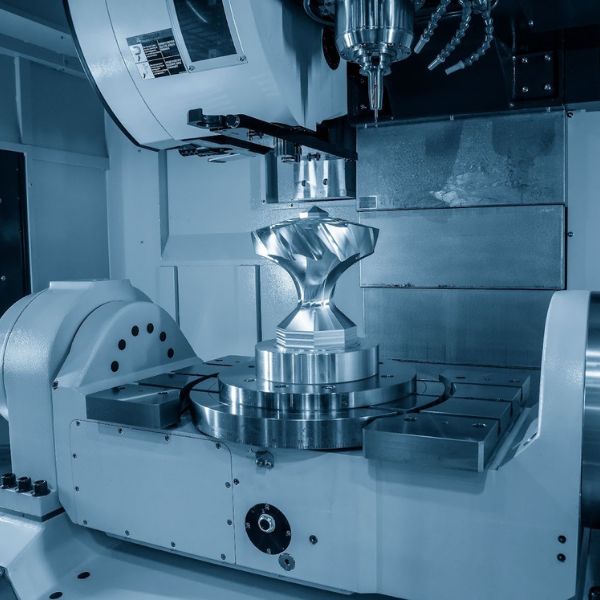
Turbine Blades: 5-Axis CNC Machining Centers
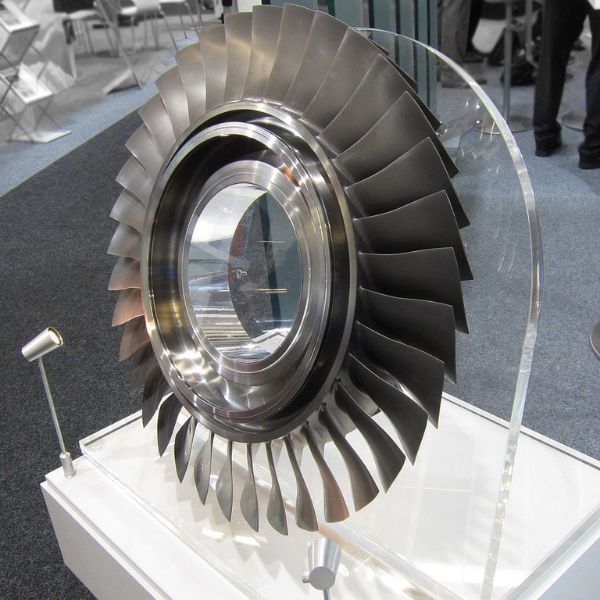
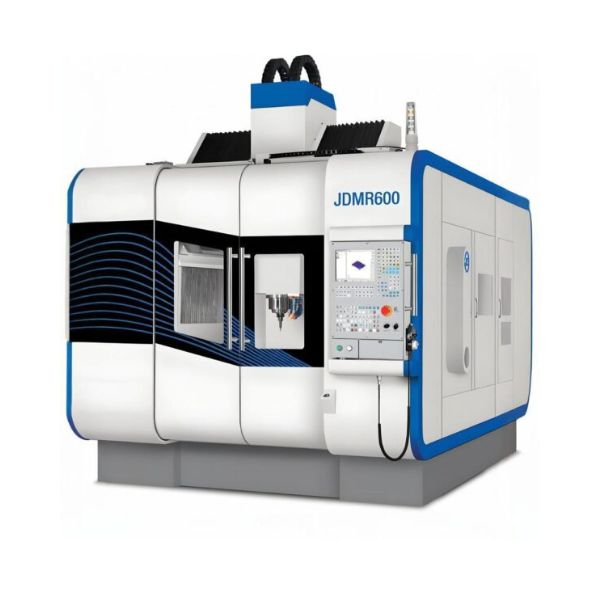
Turbine blades feature complex aerodynamic profiles and delicate root structures. The preferred solution for this is 5-axis CNC machining for aerospace. A single 5-axis machining center is capable of completing the entire machining process for both the blade airfoil surface and the dovetail root. For the highly contoured blade profile specifically, manufacturers typically utilize high-speed 5-axis blade milling centers. These machines are equipped with solid carbide ball-nose end mills to achieve the high-speed milling required for optimal surface integrity.
Turbine Disks: Dual-Spindle CNC Lathes
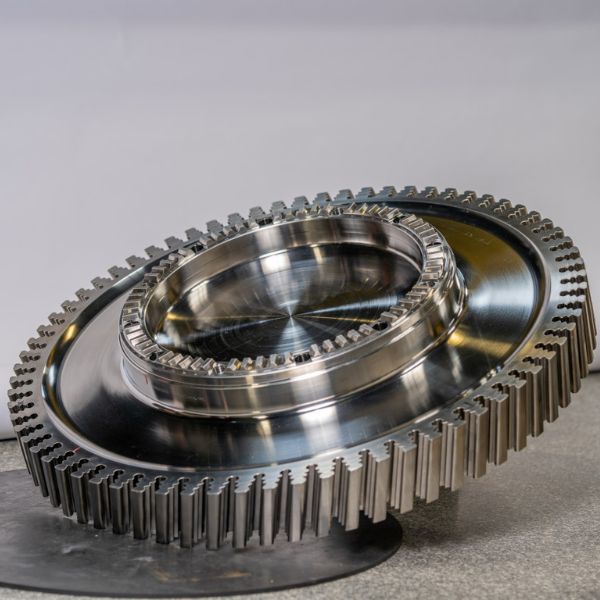
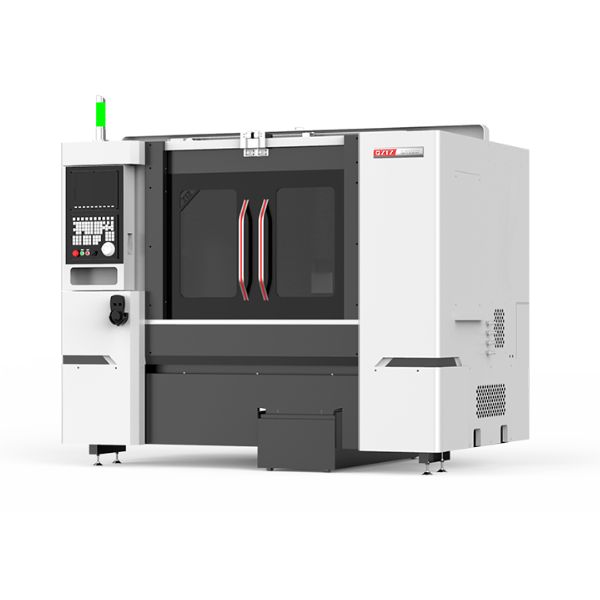
Turbine disks are critical rotating components, often designed with thin walls to reduce weight while maintaining structural strength. For these thin-walled disk-type parts, a dual-sided turning method is highly effective. This complex process requires a dual-spindle CNC lathe equipped with multi-channel capabilities. This allows the machine to achieve perfect synchronization, preventing part distortion and ensuring exceptional concentricity.
Turbine Shafts: Turn-Mill Centers for Hard Materials
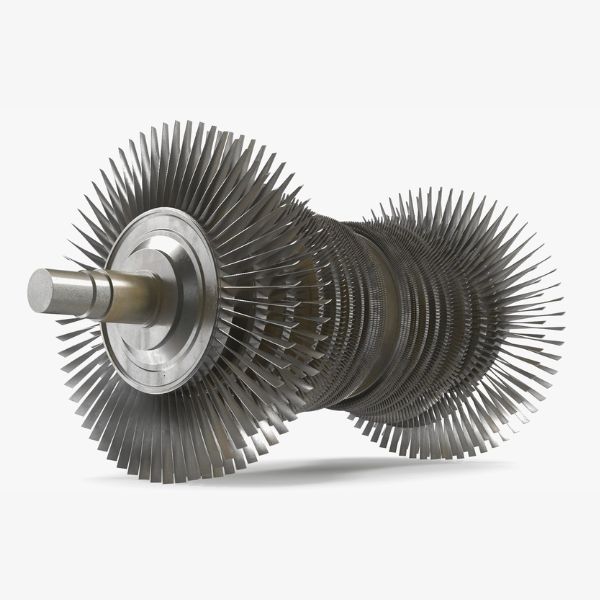
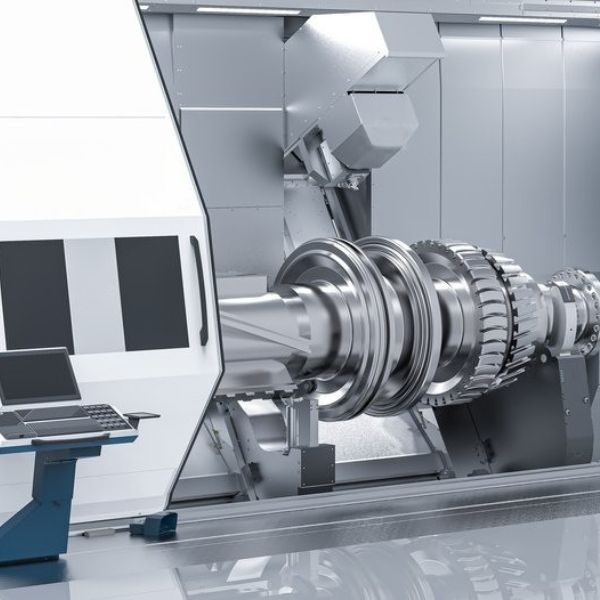
Aerospace engine shafts and disks are forged from difficult-to-machine superalloys that generate massive cutting forces during production. Therefore, rigid slant-bed CNC horizontal lathes with short tool overhangs are typically employed to maintain cutting stability. For long hollow shafts, turn-mill machining centers are the optimal choice. When performing internal boring on deep cavities, operators utilize extended tool holders equipped with damping and vibration-reduction technology to prevent chatter and maintain tight dimensional tolerances.
Engine Casings: 4-Axis & 5-Axis Milling and Boring Machines
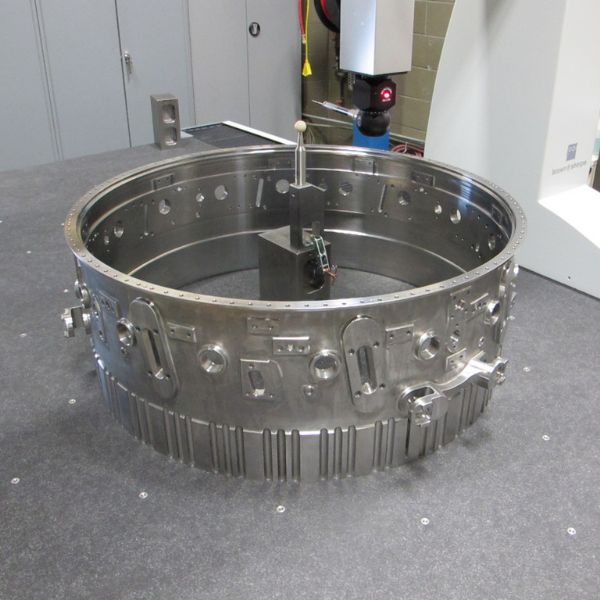
The engine casing houses the internal components and must maintain absolute structural precision. The machining of these parts requires a combination of high-end equipment:
- Exterior Profiles: The outer surfaces of engine casings are typically milled using 4-axis and 5-axis CNC machining centers.
- Internal Features: Internal T-slots and front/rear mounting flanges are machined using CNC vertical lathes.
- Holes and Mounts: The drilling and boring of front/rear mounting flange holes, exterior mounting pads, and inspection ports are handled by CNC drilling and boring machines or 4-axis/5-axis centers.
- Split Casings: For horizontal flange bolt connection holes on split casings, 4-axis horizontal precision boring machines are utilized.
Future Trends: Smart and Flexible Aerospace Machining
The machining of aerospace components represents the absolute top tier of high-end manufacturing, where every process deeply integrates materials science, mechanical engineering, and smart technology. As the aviation sector rapidly moves toward higher efficiency and greener technologies, supported by insights from authoritative industry sources like Aerospace Manufacturing and Design, the next generation of CNC equipment is evolving. Future machining equipment will become increasingly intelligent and flexible, driving continuous breakthroughs in aircraft engine performance.
If you are looking to upgrade your aircraft engine production capabilities, U•Bright Solutions is a senior equipment solution provider. We possess extensive experience in machinery manufacturing and application, and we are fully equipped to provide you with professional technical support tailored to your unique challenges. For comprehensive product information and expert consultations, contact our team directly or email at info@ubrightsolutions.com.
Verification List
- [SAE International – Aerospace Standards] – https://www.sae.org/standards/dev/aerospace
- [Aerospace Manufacturing and Design] – https://www.aerospacemanufacturinganddesign.com/