
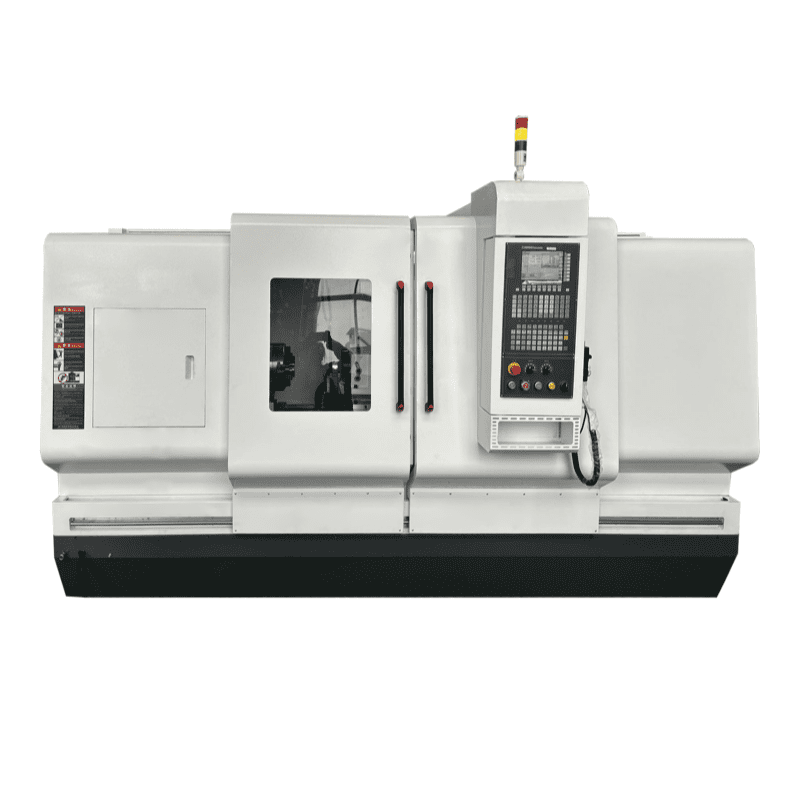
Are you still troubled by low efficiency, high costs, and poor precision in rotor machining? The PH50-1000 CNC Rotor Whirling Milling Machine offers you a one-stop solution:
① The single-rotor machining time is drastically reduced from 4–6 hours to just 8 minutes, boosting efficiency by over 30 times;
② The surface finish is stably maintained at Ra 1.6–3.2, far exceeding industry standards;
③ The unit machining cost is cut by 52%, equipment occupancy costs are reduced by 97%, and labor and energy consumption are significantly lowered.
This machine not only breaks through the bottlenecks of traditional machining processes, but also helps you seize market opportunities and respond rapidly to order demands.
Workpiece literacy
The rotor is the core component of a plastering machine’s power system, undertaking the functions of power transmission and operation drive. It drives the mixing blades/conveying screw to rotate at high speed, achieving uniform mixing and stable conveying of mortar.
Made primarily from high-strength alloy steel (e.g., forged 45# steel), the rotor features a complex helical surface structure, imposing extremely stringent requirements on machining precision and surface finish. Inadequate precision will cause unstable power transmission and shorten the service life of the plastering machine; poor surface finish will intensify wear and tear and increase maintenance costs.
Common risks include: delayed orders caused by low efficiency of traditional machining processes, customer complaints arising from substandard surface finish, and squeezed profit margins due to excessively high costs.